Esophageal cancer rates in East Africa are alarmingly high, with smoking being a significant risk factor. Implementing substantial cigarette taxes could reduce smoking rates and save thousands of lives annually.

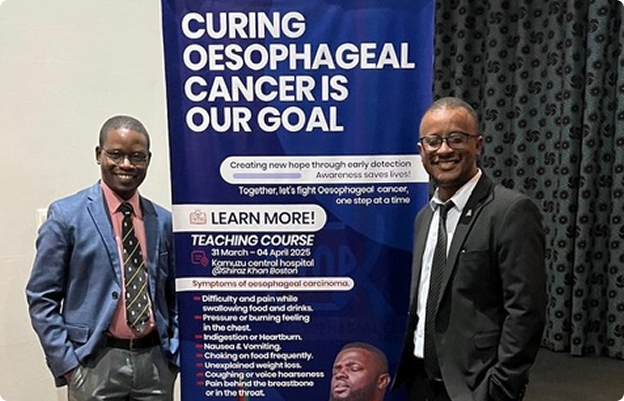
WASHINGTON --- March 31, 2025 --- Simple lifestyle changes may prevent hundreds of esophageal cancer cases across Eastern and Southern Africa, according to recent research from members of the African Esophageal Cancer Consortium (AfrECC). Esophageal cancer is especially common in this region, where it is the third or fourth most common cause of cancer death in most countries. Especially concerning is the fact that difficulty swallowing—the primary symptom of this tumor—typically appears only after the cancer is advanced, making detection of treatable cases challenging and survival poor. Thus, primary prevention by reducing exposure to known risk factors is particularly important for this cancer. AfrECC researchers have identified several modifiable risk factors for esophageal cancer in Eastern and Southern African communities, including smoke exposure from indoor wood cooking fires, consumption of scalding hot beverages (above 65°C/149°F), and poor oral hygiene. Tobacco and alcohol use further increase risk, particularly among men, according to the research.


Simple preventive measures include improving kitchen ventilation, allowing hot beverages to cool before consumption, and promoting basic oral hygiene. Reducing tobacco and alcohol use would also be important but may be more difficult. Changing to cleaner burning fuels, such as charcoal or natural gas, would be especially beneficial, but this would be too costly for most people in these poor countries. Increasing awareness of esophageal cancer and education about its risk factors and symptoms is crucial for reducing the burden of this fatal disease. "Government officials are often unaware of this cancer, and it is rare for a national cancer control plan to address it," says Dr. Sandy Dawsey, a researcher at AfrECC. "At the same time, many potentially preventive measures can be encouraged and possibly implemented by public education alone, which is not very expensive." About African Esophageal Cancer Consortium (AfrECC) The African Esophageal Cancer Consortium is a collaborative network of researchers, clinicians and public health professionals dedicated to addressing the burden of esophageal cancer in Africa. AfrECC conducts research into risk factors, prevention strategies and treatment options tailored to African communities. For more information, visit www.afrecc.org.