Awareness.
Early Detection.

Dignity in Care.


Esophageal cancer is a major global health challenge, with particularly devastating impact in eastern and southern Africa where survival rates remain low due to late diagnosis and limited access to care. This disproportionate burden underscores the urgent need for improved awareness, early detection strategies, and expanded treatment capacity across high-risk regions.

What Is Esophageal Cancer?

It begins in the esophagus, the muscular tube that carries food and liquids from your throat to your stomach. In the African "high-risk belt," the pattern of disease differs significantly from Western nations. In many African countries, esophageal cancer affects both men and women at alarmingly high rates.

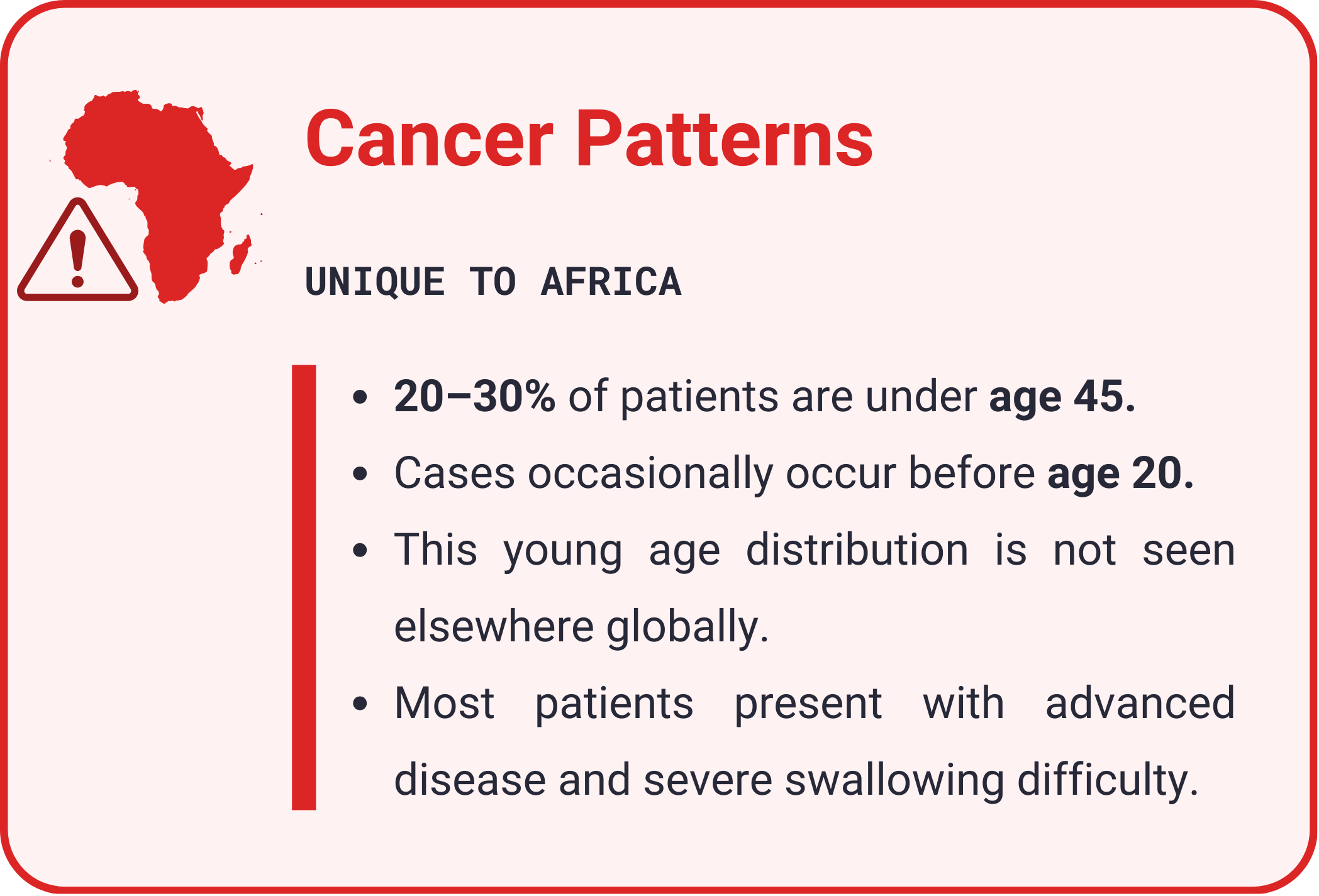
📍 Africa’s high-incidence corridor includes the Rift Valley and Highlands areas of Eastern and Southern Africa, stretching from Ethiopia and Sudan to the Eastern Cape Province of South Africa.
‍

Risk Factors

Women and children may be especially vulnerable due to prolonged indoor cooking exposure.
Reducing these risks can significantly lower disease burden.

Stage I - Early Localized Cancer: 
‍
Cancer is limited to the inner lining of the esophagus. The goal of treatment at this stage is cure, usually through surgical or endoscopic removal of the tumor before it spreads deeper.
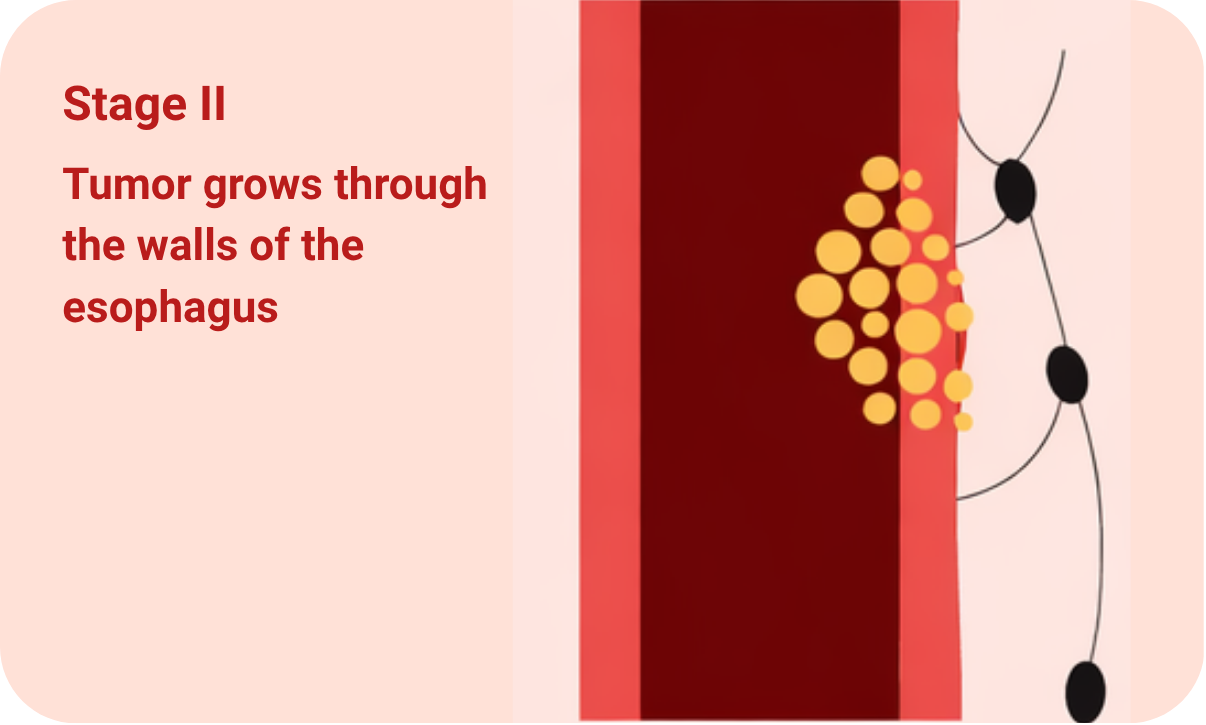
Stage II - Local Invasion: 
‍
Cancer has grown into the muscular wall of the esophagus but has not yet spread to lymph nodes. Treatment typically varies but often includes a combination of surgery, chemotherapy, and/or radiation therapy.
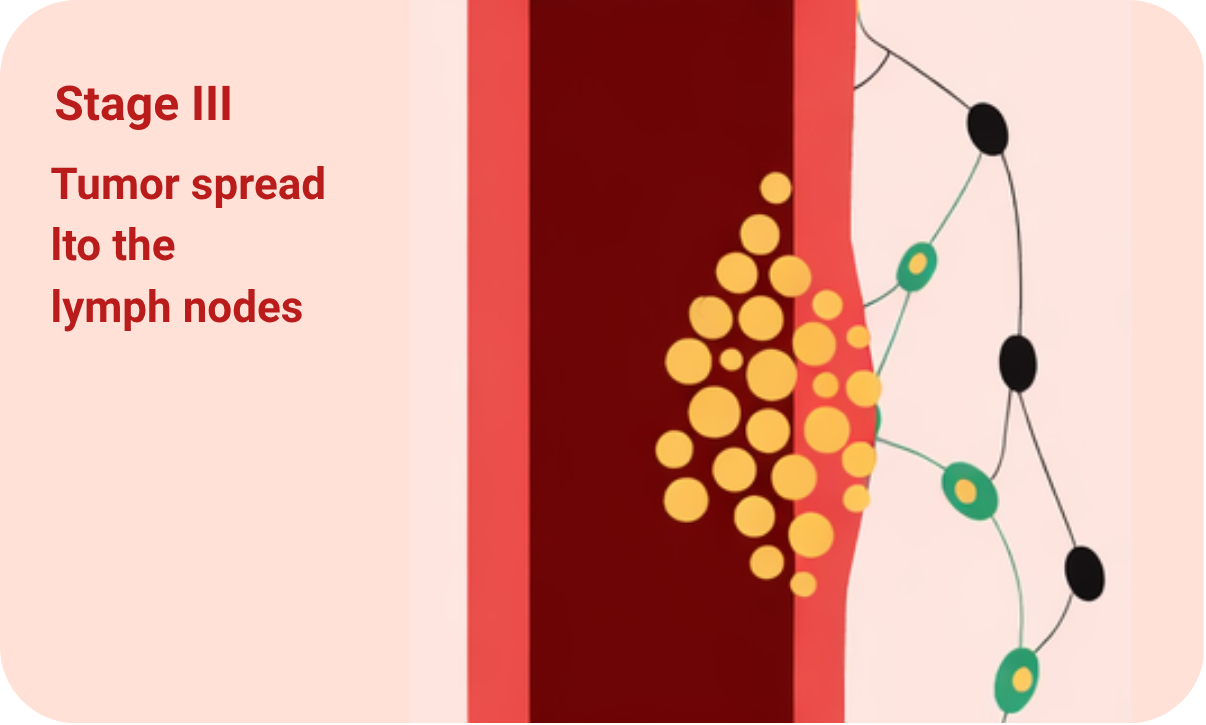
Stage III - Regional Spread: 

Cancer has spread into the lymph nodes or surrounding tissues. Treatment usually requires combined therapies such as chemotherapy and radiation, and surgery may be considered depending on patient health and treatment resources.
Stage IV - Metastatic Disease:

Cancer has spread to distant organs and is usually not curable. Treatment focuses on palliation, relieving symptoms such as swallowing difficulty and pain, and improving quality of life.
In many African regions, most patients present at Stage III or Stage IV, contributing to low survival rates and emphasizing the need for early detection and screening programs.

 Treatment and Palliative Care for Esophageal Cancer

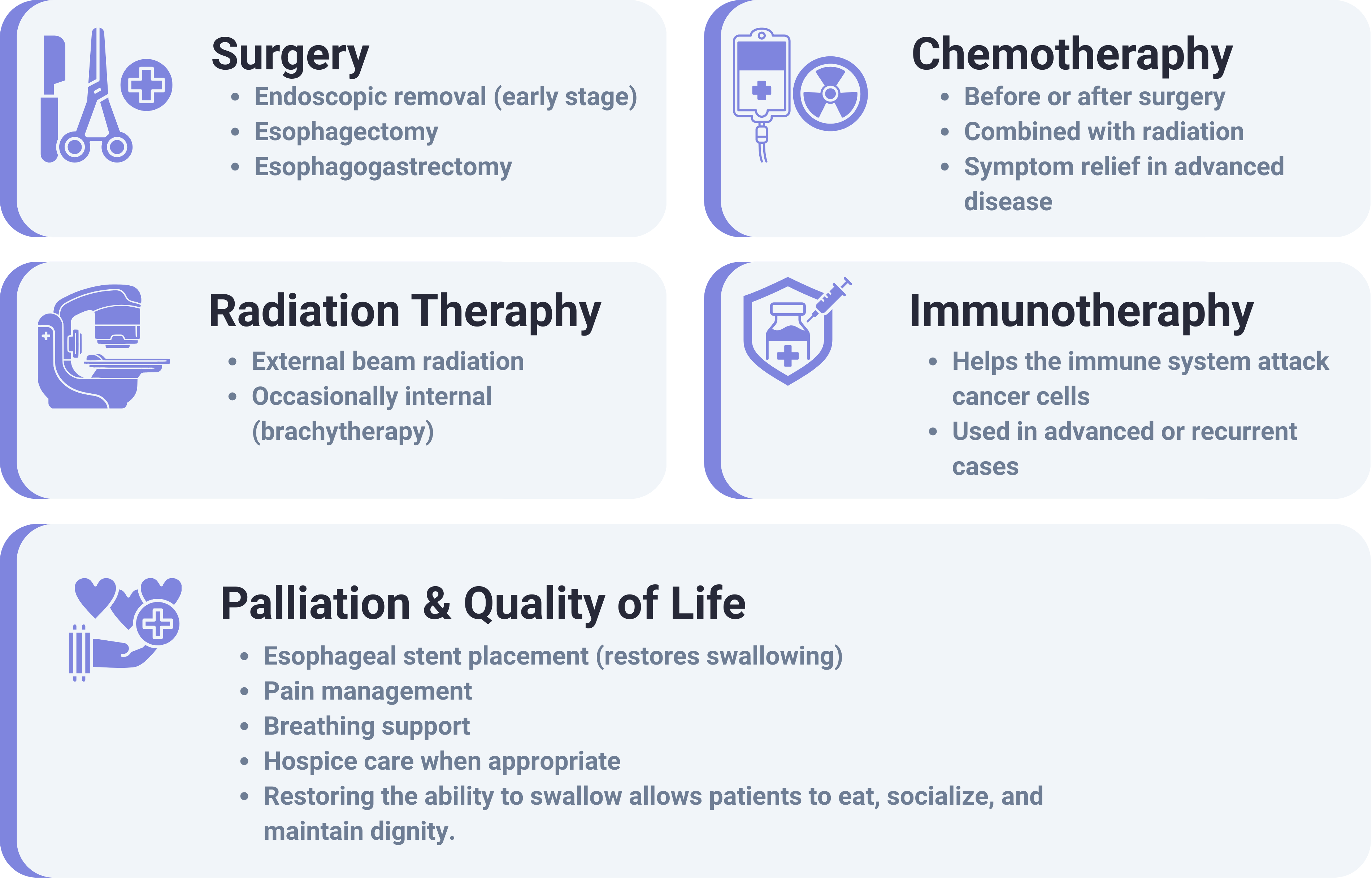
Treatment for esophageal cancer depends on the stage at diagnosis, patient health status, and available medical resources. The primary goals are to cure early-stage disease, control cancer progression in advanced stages, and improve quality of life.
‍
Treatment Options:

Palliative Care
For patients with advanced disease, palliative care is essential to relieve symptoms and maintain dignity. Palliative interventions may include esophageal stent placement to restore swallowing, pain management, nutritional support, and hospice care when appropriate. These approaches help improve comfort and quality of life when curative treatment is not possible.
  • Surgery: Removes the cancerous portion of the esophagus and nearby tissues when cure is possible.
  • Chemotherapy: Uses powerful medications to destroy cancer cells and may be given before or after surgery.
  • Immunotherapy: Helps the body’s immune system recognize and attack cancer cells.
  • Radiation Therapy: Uses high-energy beams to target and shrink tumors, often combined with chemotherapy.